
Essential knowledge of radiotherapy thermoplastic masks
What Is Radiotherapy Mask?
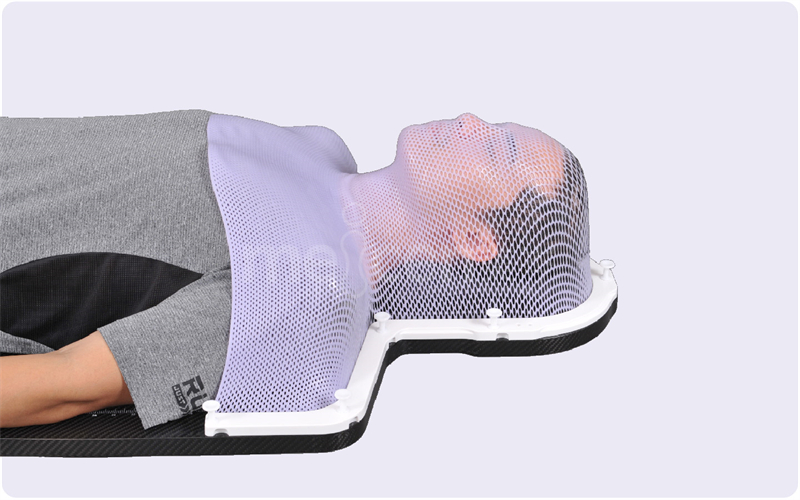
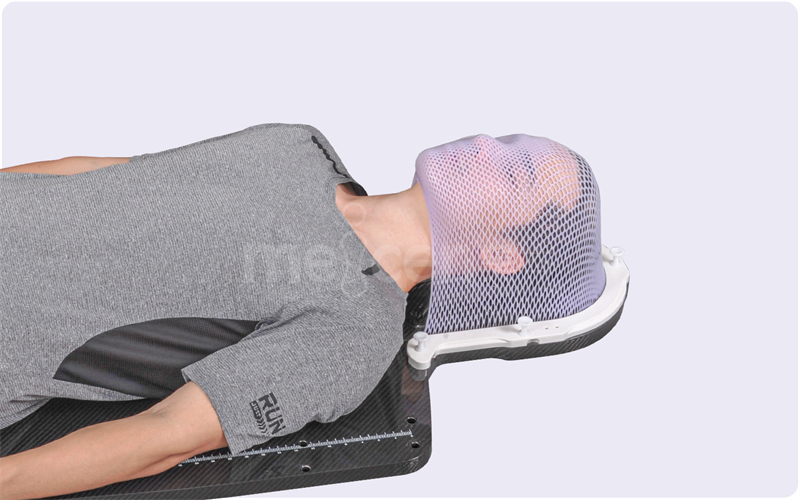
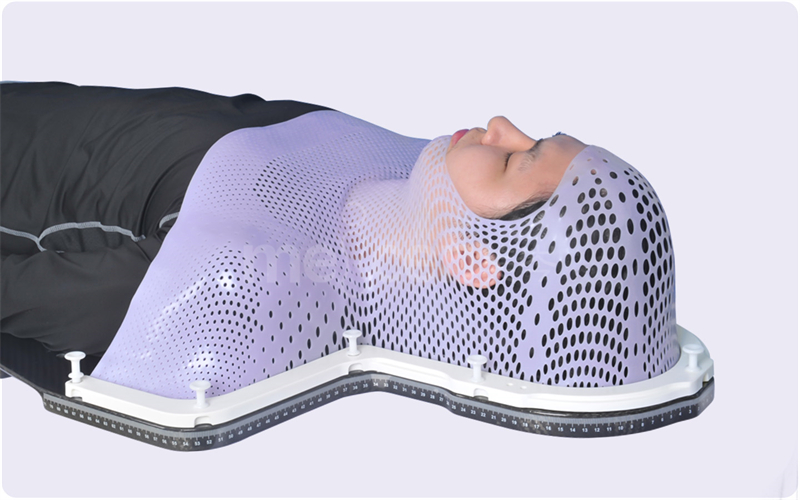
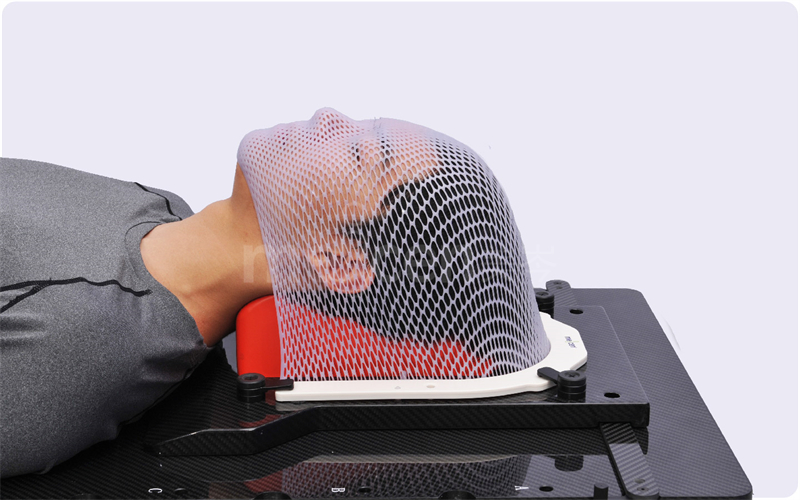
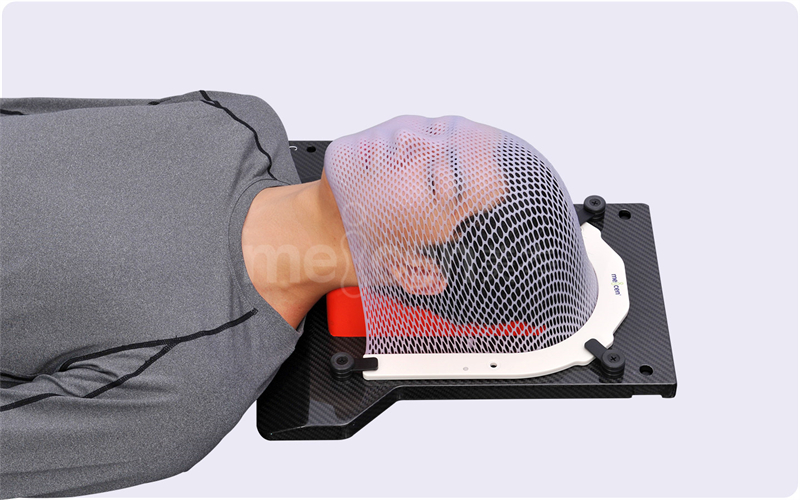
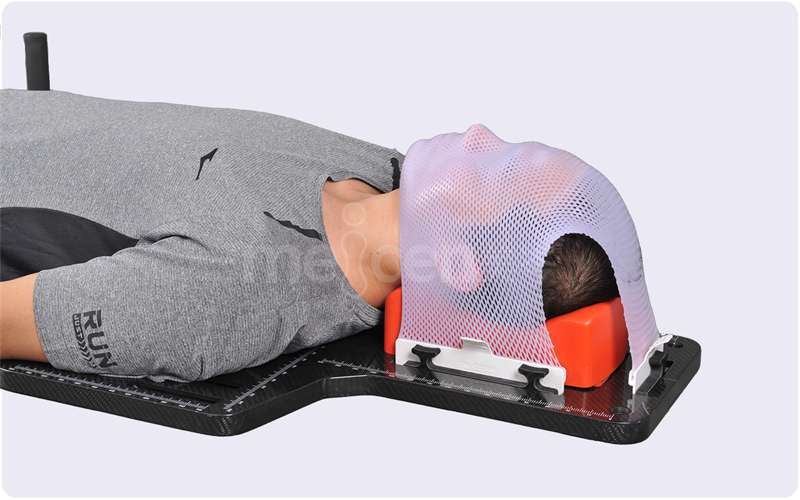
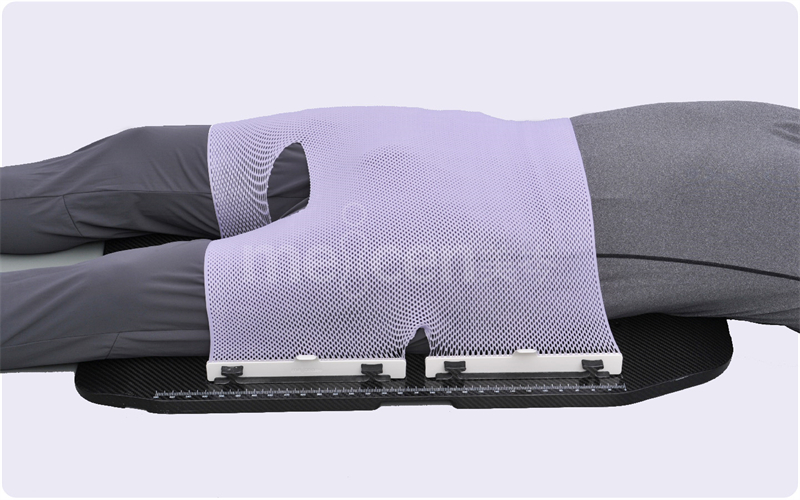
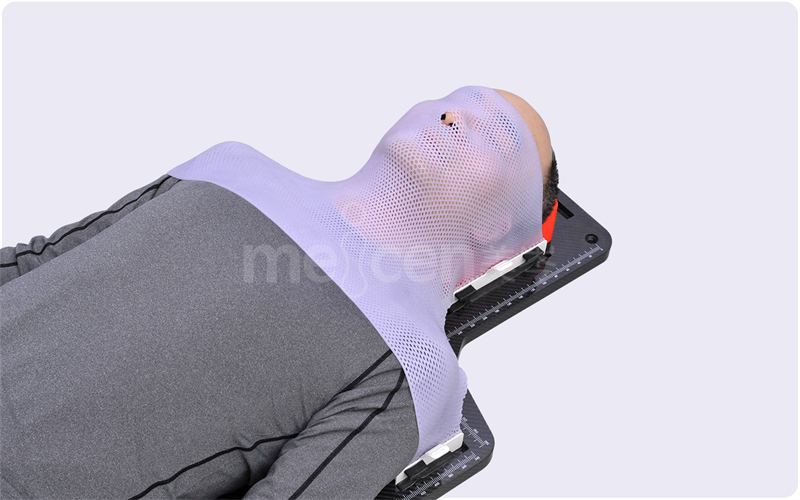
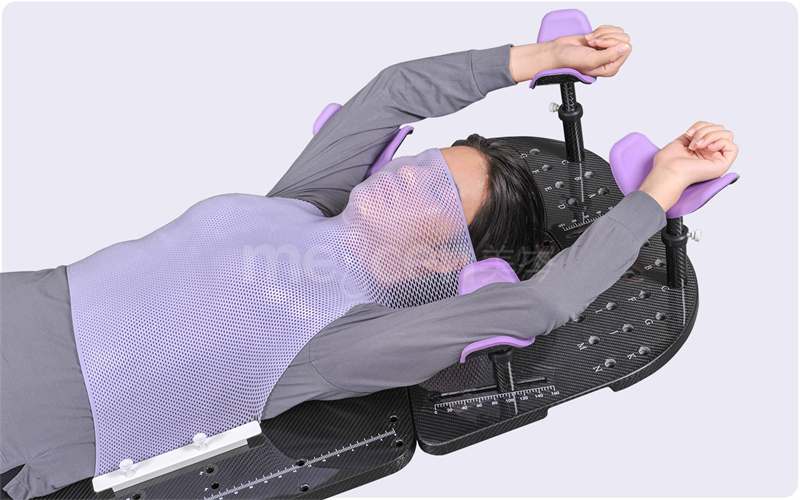
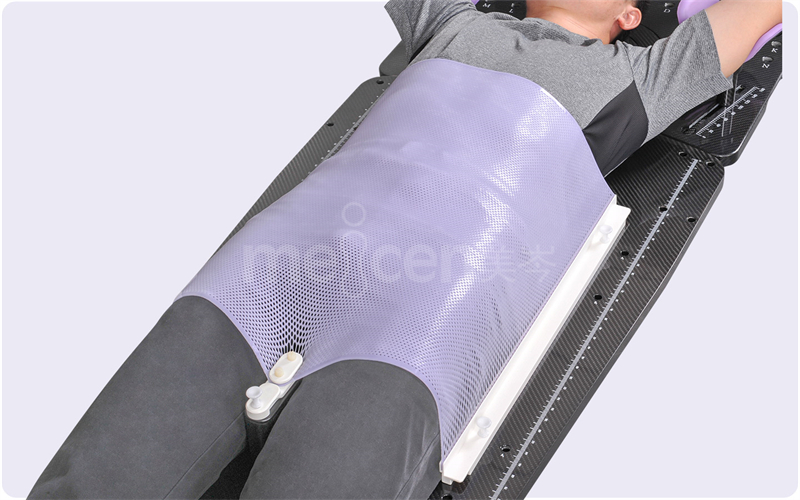
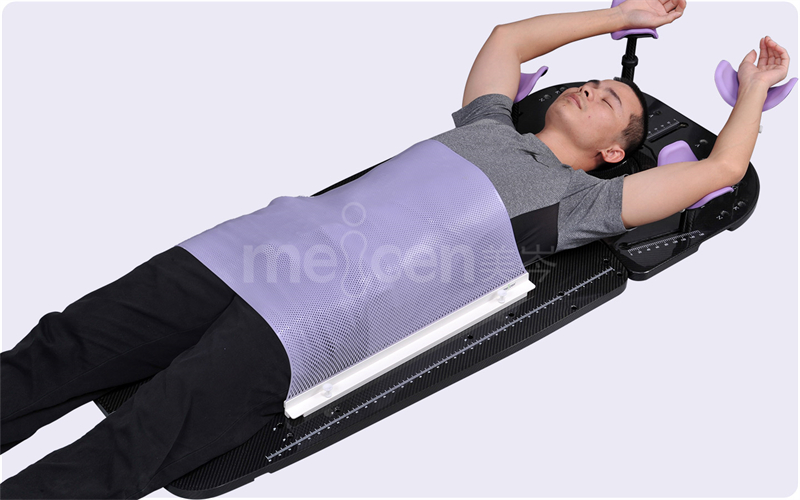
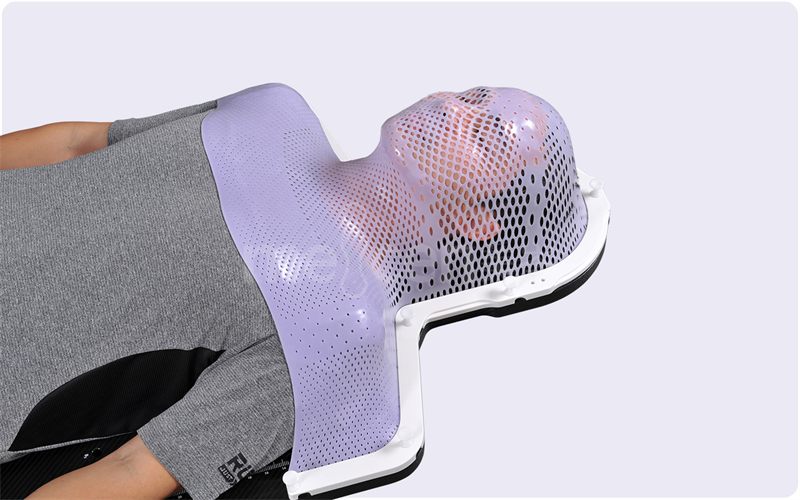
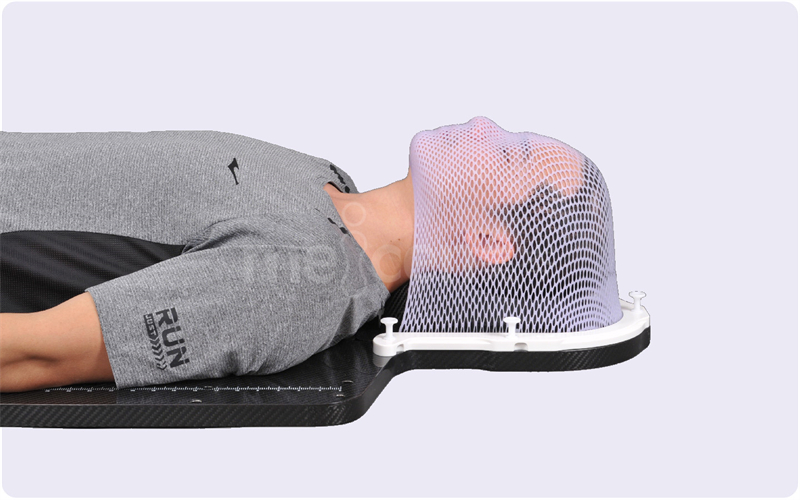
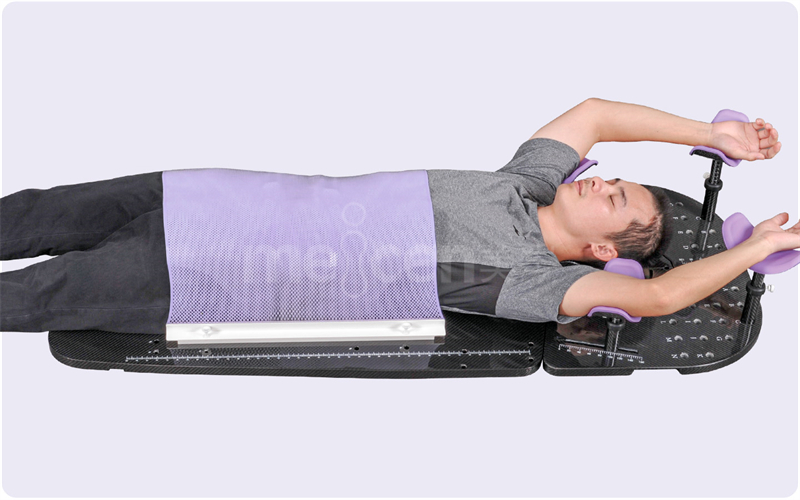
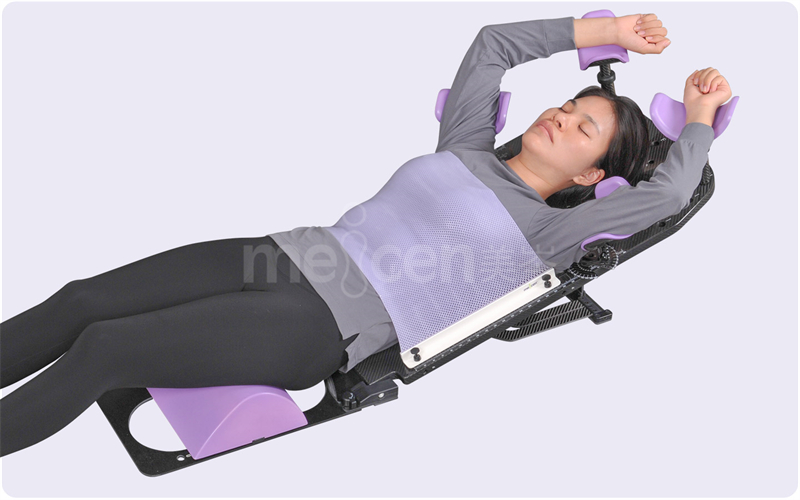
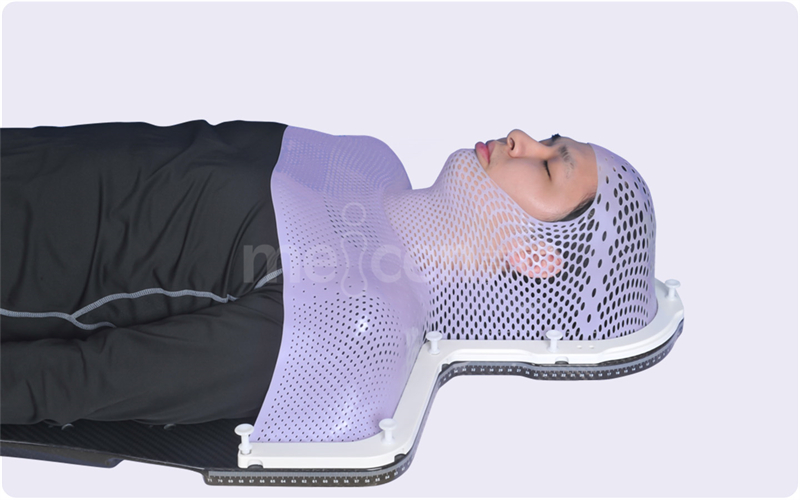
A radiotherapy thermoplastic mask is a custom-fitted device used during radiation therapy for head, neck, brain, chest, pelvic cancers. Its primary purpose is to immobilize the patient, ensuring the precise delivery of radiation while protecting healthy surrounding tissue.
How It Works?
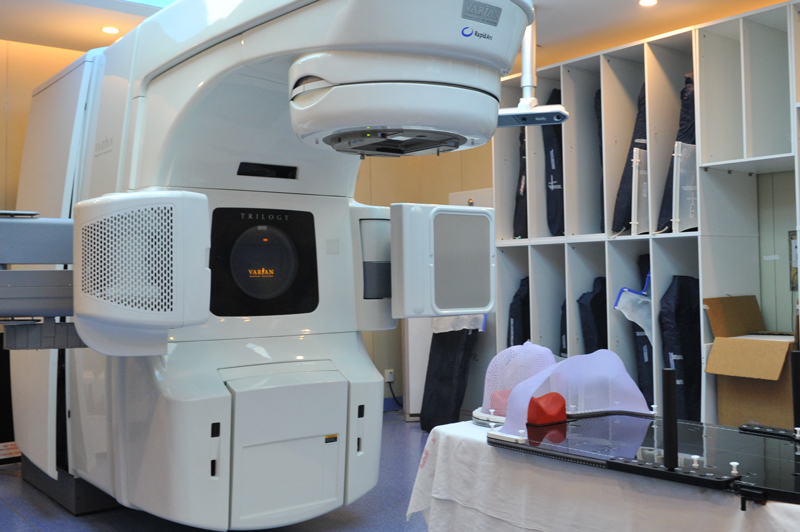
Made from a special thermoplastic material, the radiotherapy mask is heated until soft and then molded directly onto the patient’s face and neck. As it cools, it hardens into a rigid, personalized shape that locks the patient into the exact same position for every treatment session. This precision ensures the radiation beam targets the tumor accurately and minimizes side effects.
Advantages:
Radiotherapy thermoplastic mask provides exceptional accuracy, leading to better treatment outcomes and reduced exposure to healthy tissues.
Disadvantages:
Some patients may experience temporary discomfort from the tight fit or anxiety/claustrophobia due to the need to remain still. Communication with the clinical team and relaxation techniques or use Open-face thermoplastic mask instead can help manage these feelings.
Key Requirements for Radiotherapy Thermoplastic Masks
To ensure sub-millimeter accuracy and patient safety, radiotherapy thermoplastic masks should meet five core performance criteria blow:
System Integration
- Secure Indexing: The mask frame must integrate seamlessly with standard baseplates (e.g., U-frame, S-frame) and couch indexing systems to guarantee precise daily setup.
Immobilization Accuracy & Reproducibility
- Dimensional Stability: The mask must exhibit minimal shrinkage after molding to maintain consistent anatomy alignment throughout the treatment course.
- High Rigidity: Once cooled, the material must be rigid enough to restrict micro-movements (e.g., swallowing or respiration) and ensure precise repositioning.
Imaging Compatibility (Dosimetry)
- Low Artifact: The material must be radiolucent and MRI-compatible, producing minimal imaging artifacts. This is critical to prevent distortion of the tumor target and ensure accurate dose calculation.
Clinical Handling & Shape Memory
- Rapid Molding: The material should activate at a safe temperature (65°C–70°C) to prevent burns while allowing quick, efficient molding.
- Shape Memory: A crucial feature allowing the mask to be reheated and remolded. This corrects initial fitting errors or accommodates anatomical changes (e.g., weight loss) during therapy.
Patient Comfort & Safety
- Breathable Mesh: Perforations are essential for ventilation, heat dissipation, and reducing feelings of claustrophobia.
- Biocompatibility: Materials must be non-toxic, latex-free, and hypoallergenic to prevent skin irritation or allergic reactions.
- Non-Stick: It will not stick to the patient’s hair or skin during use.
According to different fixation methods, our radiotherapy thermoplastic masks are usually classified into S-Type, U-Type L-Type, Pin-lock Type, P-Type, H-Type and other Types.